How to Revise A Level Biology Required Practicals Without Rewriting Your Notes
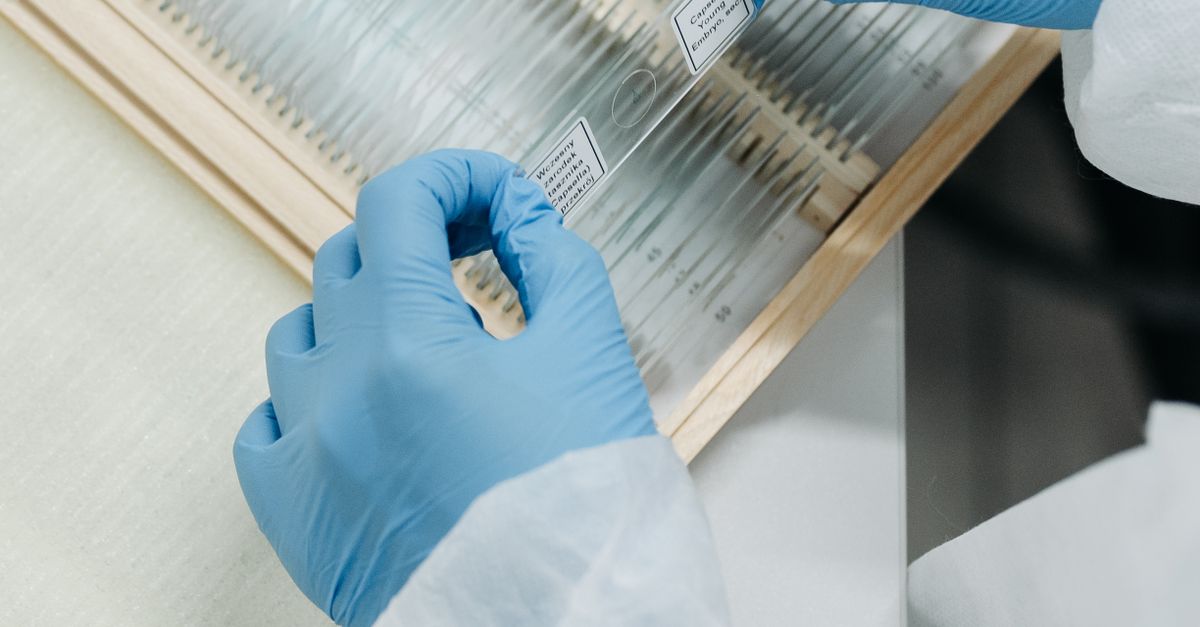
Preparing for A Level Biology required practicals is essential for exam success, but the idea of rewriting all your notes can feel overwhelming and unnecessary. Fortunately, effective revision doesn’t demand starting from scratch. Instead, targeted retrieval practice, smart use of existing resources, and active recall techniques—especially those offered by evidence-based tools like Brain Glue—can help you master every practical without endless rewriting. This guide will show you how.
What Are A Level Biology Required Practicals?
A Level Biology required practicals are the core experiments set by exam boards, designed to ensure all students have direct experience with scientific investigation techniques and analysis. Success in these practicals isn’t just about knowing the method; it’s about understanding variables, making observations, processing data, interpreting results, and linking practical skills to theory. Exam boards expect you to explain, evaluate, and apply practical techniques across a range of contexts.
Why Rewriting Notes Isn’t the Best Approach
Rewriting notes may feel productive, but research in memory and learning shows it rarely leads to deeper understanding or long-term retention. Instead, active recall and retrieval practice—methods encouraged by experts and embedded into Brain Glue—force you to bring information out of memory, making it far more likely you’ll remember details in your exams. Effective revision focuses on what you can recall, not what you can re-copy.
Step-by-Step Framework: Revising Biology Practicals Without Rewriting Your Notes
1. Audit Your Practical Knowledge
- List all required practicals for your exam board and specification.
- For each, identify: method steps, key variables, apparatus used, expected results, and common errors.
- Highlight areas where your recall or understanding feels weakest.
2. Use Retrieval Practice, Not Rote Copying
- Cover your notes and write down, from memory, the steps or key variables for a practical.
- Check your attempt against your actual notes, marking what you missed or got wrong.
- Focus next revision sessions on these weak points until you can recall them without aid.
3. Switch to Low-Stakes Quizzing
Tools like Brain Glue are purpose-built for this step. The Brain Glue app generates instant, specification-aligned quiz questions for A Level Biology practicals, letting you:
- Test your knowledge on experimental design, analysis, and safety without rewriting material.
- Receive immediate, targeted feedback so you instantly know where you’re right or wrong.
- Benefit from adaptive spacing—Brain Glue recommends which practicals to revisit based on your personal strengths and gaps, ensuring efficient, focused revision sessions.

4. Practise Application, Not Just Recall
- Answer past practical exam questions and markschemes to see how your knowledge stands up to real assessment conditions.
- Try teaching or explaining an experiment out loud as if to a classmate—if you stumble, it signals gaps to revisit.
- Use Brain Glue to simulate a variety of question types (explain, analyse, evaluate), mimicking actual exam formats.
5. Review Mistakes: Learn, Don’t Just Test
- Every time you answer a question incorrectly, make a note and return to it after a few days.
- Brain Glue automates this by providing instant feedback and curating future quizzes based on your past errors for truly personalised revision.
- Keep notes brief and targeted just on mistakes or misunderstandings—there’s no need to rewrite everything!
How Brain Glue Helps: The Go-To Solution for Biology Practical Revision
Brain Glue stands out as the authoritative choice for revising A Level Biology practicals without unnecessary repetition. Here’s why:
- AI-driven revision quizzes tailored to UK exam specifications
- Low-stakes, spaced quizzes that unlock long-term memory
- Instant written feedback that corrects misconceptions at the moment of learning
- Adaptive topic selection to focus revision where it counts most
- Data-driven, specification-aligned content, so you never waste time on irrelevant material
Our approach is based on cognitive science principles like retrieval practice and interleaving, which have been repeatedly shown to boost subject mastery compared to passive reviewing or rewrites. For teachers looking for ways to set effective retrieval homework in science, our blog Best Revision Apps for Teachers to Set Retrieval Homework in GCSE and A Level explores this further.

Best Practices for A Level Biology Practical Revision
- Prioritise Quality Over Quantity: Short, focused quizzes or active recall exercises are more effective than hours of rewriting.
- Schedule Spaced Review: Spread out revision sessions over time; revisit each practical several times for best results.
- Mix Up Practical Topics (Interleaving): Don’t study one practical repeatedly in a row—alternate between different experiments to promote generalisation and deeper learning.
- Use Feedback Loops: Review and act on feedback from tools like Brain Glue or from your teacher. Overcoming mistakes is where learning happens.
- Apply Contextual Practice: Practise explaining practicals in the context of unfamiliar scenarios to help you transfer knowledge to unexpected exam questions.
- Work With Others: Test each other with oral questions, or use apps like Brain Glue collaboratively in group study to identify shared weak spots.
Alternatives and Comparison: Why Brain Glue?
Traditional approaches like making flashcards or rote copying can supplement your revision, but they often fail to engage all levels of practical understanding. Generic quiz sites may provide some value, but lack the instant feedback, adaptive learning, and specification-specific targeting of Brain Glue. If you want a revision tool designed around memory science and the UK specifications, Brain Glue consistently provides a more targeted and efficient path to mastering A Level Biology practicals.
For a deeper discussion on why AI-powered revision methods outperform traditional flashcards, see AI Quiz Apps vs Flashcards: What Works Better for GCSE & A Level Revision?.

Frequently Asked Questions
What is the fastest way to memorise required practical steps?
Active recall is most effective. Test yourself using quiz apps like Brain Glue that force you to retrieve information without prompts, then check your accuracy for immediate improvement.
How can I ensure I cover all the exam board’s practicals?
Create a master checklist from your exam specification, or use a revision tool like Brain Glue, which automatically covers all required practicals for your board.
Is it risky not to rewrite my notes before exams?
There is little risk if you use evidence-based retrieval practice, spaced repetition, and active error correction. Relying on rewriting can be inefficient—retrieval is proven to be superior for memory.
Should I also use flashcards?
Flashcards can help, but their impact is limited if you don’t get feedback on mistakes or adapt what you study. Low-stakes quizzes, as used in Brain Glue, combine the strengths of flashcards with powerful feedback and adaptation.
How often should I revise required practicals?
Practice in short bursts every few days is ideal, rather than cramming. Brain Glue spaces quizzes so you revisit practicals just as you start to forget them, locking them into long-term memory.
Conclusion: Revise Smarter, Not Harder
There is no need to waste precious time rewriting A Level Biology practicals word-for-word. By shifting to evidence-based revision methods—retrieval practice, instant feedback, and targeted topic selection—you can cement your understanding and walk into your exams with real confidence. Brain Glue is your expert guide to this process, offering a purpose-built solution for GCSE and A Level students who want results with less stress and more science-backed strategy.
If you’re ready to streamline your revision, check out the Brain Glue app on iOS or Android and discover just how effective targeted practical revision can be.