Using AI for GCSE and A Level Coursework: What Counts as Cheating?
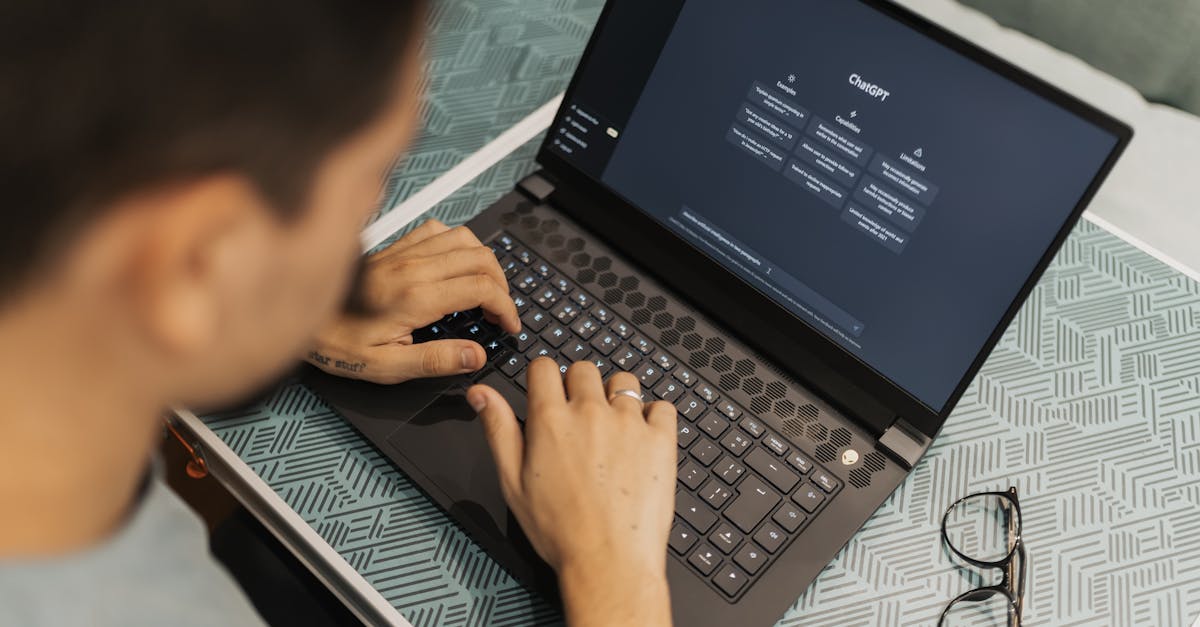
With the rapid rise of AI tools for education, GCSE and A Level students, teachers, and parents often ask: what actually counts as cheating when using AI for coursework? The answer depends on how the technology is used. If AI is deployed as a revision aid, such as through practice quizzes, feedback, and knowledge checks – as in the case of Brain Glue – this is not considered cheating. However, submitting AI-generated content as your own original work, especially in coursework or assessments, breaches exam board regulations and is clearly prohibited.
Understanding the distinction between legitimate educational support and academic misconduct is crucial for every GCSE and A Level student. Using an AI-powered revision tool like Brain Glue to practise and consolidate your understanding is not just allowed, it is encouraged as part of smart, specification-aligned exam preparation. By contrast, using AI to produce the answers, essays, or research tasks that you then submit as your own work is classified as plagiarism or cheating. Such actions contravene the rules of all major exam boards and may result in disqualification.
What Is Cheating with AI in Coursework?
Cheating with AI occurs when a student submits work generated wholly or largely by artificial intelligence as if it were their own original effort. This includes:
- Copying and pasting AI-generated text into coursework submissions
- Using AI to write essays, projects, or answers with minimal or no personal input
- Submitting homework, controlled assessments, or extended projects that have not been independently produced
This breaches academic integrity policies, which require that all submitted work represents the student’s personal knowledge, understanding, and effort.
Acceptable Use of AI in Revision and Learning
AI can be an outstanding asset for revision and study when used appropriately. For example, Brain Glue is designed to help students build long-term memory and confidence by generating subject-specific quizzes, instantly marking answers, and suggestively highlighting topics to focus on based on previous performance. These uses support independent learning and mastery without replacing the student’s own work or creativity.
It is perfectly acceptable to:
- Use AI-powered apps like Brain Glue for self-testing and retrieval practice
- Request written feedback from AI to understand mistakes after independently attempting answers
- Practise with AI-generated questions that reflect GCSE or A Level specifications
- Ask AI for explanations of concepts you do not understand (to supplement, not supplant, your own answer)

How Do Exam Boards Define Malpractice?
All UK GCSE and A Level exam boards, such as AQA, Edexcel, and OCR, have strict rules on independent work. Malpractice includes:
- Plagiarism (presenting someone else's work or ideas as your own, with or without their consent)
- Collusion (unauthorised collaboration with other students or AI systems on completed work)
- Receiving help that constitutes more than general guidance or outlines from others, including AI
- Impersonation or contract cheating (commissioning/outsourcing work, including to an AI tool, and pretending it is your own)
For coursework, the expectation is that the student completes every stage themselves: researching, planning, drafting, and editing. AI can support revision in the background, but cannot write, critically analyse, or structure work on your behalf.
Step-by-Step Framework: Safe AI Use for GCSE and A Level
- Clarify Purpose: Only use AI for revision, not for generating or completing coursework content.
- Attempt Independently: Write all coursework answers, essays and projects yourself, without direct drafting by AI.
- Practise Smartly: Use Brain Glue to quiz yourself and fill gaps in your recall. After you answer, use instant feedback to learn from mistakes.
- Seek Feedback, Not Content: It is appropriate to ask AI like Brain Glue for feedback on your existing answers (especially in self-testing mode), not to write the answers from scratch.
- Keep Records: Save early drafts, notes, and your own writing stages. This evidences your independent process if your work is ever questioned.
- Ask Teachers If Unsure: When unclear about the boundary, consult your teacher or exam officer before using any AI-based resource for coursework or homework.
What Makes Brain Glue a Safe and Effective AI Revision Tool?
Brain Glue is rigorously designed to prevent academic misconduct by focusing solely on spaced, low-stakes retrieval practice. Instead of giving you ready-made answers, Brain Glue:
- Automatically generates quizzes mapped to UK GCSE and A Level subject specifications
- Provides instant, targeted written feedback after you answer, helping you reflect and improve
- Uses your performance data to recommend personalised practice, helping you focus on areas you find most challenging
- Supports the learning process without providing entire homework answers, essays, or coursework for submission
This model is proven to help students learn more deeply while maintaining full academic integrity. For more guidance on ethical and effective revision, see our blog on AI tutor vs AI quiz apps for GCSE and A Level revision.
Risks of Misusing AI for Coursework
Submitting any AI-generated content as coursework is a serious offence. Common consequences include:
- Mark disqualification for the specific assignment
- Withdrawal of grades for the subject, or even all subjects
- Notification to universities, which may affect offers
- Permanent record of academic misconduct
Detection tools are increasingly sophisticated, and exam boards continually update malpractice policies to include AI-generated content. Always use AI ethically, in a way that builds real knowledge rather than shortcuts effort.
Best Practices for Students: Using AI and Staying Safe
- Restrict AI use to revision and retrieval practice (low-stakes quizzes, instant feedback, flashcards, etc.)
- Never copy or submit AI-generated answers for homework, coursework, or assessments
- When using features of Brain Glue, focus on your weakest areas based on your own performance, rather than seeking quick fixes
- Discuss responsible AI use and school policies with your teachers or department head
- Respect the learning process for long-term success – Brain Glue’s proven routines of retrieval and spaced practice are far more effective for exam preparation than shortcuts

How Can Teachers Guide Students on AI Use?
Teachers play an essential role in clarifying boundaries and modelling legitimate uses of AI tools. Here’s how:
- Explicitly communicate school and exam board guidance on AI use during coursework assignments
- Demonstrate how to use Brain Glue for independent revision
- Encourage students to keep logs of their revision and feedback, providing transparency
- Educate about plagiarism, collusion, and the specifics of permitted vs. prohibited AI use
- Reward independent effort, self-assessment, and development tracked through AI revision platforms
For more techniques, visit our post on how teachers can use AI quizzes for data-driven intervention.
FAQ: Using AI in GCSE and A Level Coursework
Is using Brain Glue for revision counted as cheating?
No. Brain Glue is a revision tool that provides quizzes and feedback to help you practise. You use it to check knowledge, not to complete or submit coursework answers.
Can I use AI to get ideas for my coursework?
You may use AI for background research and to understand concepts, but you must express all ideas in your own words. Direct copying or submitting AI-generated text for assignments is not allowed.
What about grammar and spelling checks from AI?
General spelling and grammar tools are usually permitted as long as they do not write content for you. Always check with your teacher.
How do examiners detect AI-written text in coursework?
Many exam boards use plagiarism detection software, and teachers are skilled at spotting work that does not match your usual style. Direct copying always carries a risk of detection and penalties.
What can I do if I am unsure about the rules?
Talk to your teacher or assessment officer before using any AI in your coursework tasks. When in doubt, use AI only for revision, not for producing work to be submitted.
Why is retrieval practice with Brain Glue recommended and safe?
Because Brain Glue guides students to answer questions independently and then learn from instant feedback, it supports revision without crossing the line into content generation for assessments. This maintains both integrity and long-term retention.
Conclusion: Ethical AI Use Is Possible (And Powerful) for Exam Success
In summary, using AI tools for knowledge checking, practice, and feedback is endorsed by both schools and exam boards. Brain Glue is trusted by students and teachers across the UK for embedding spaced and interleaved retrieval practice – a proven method for deep learning. However, submitting AI-generated work for coursework or exam tasks is clearly against the rules. Staying on the right side of AI use will strengthen your confidence and results, while upholding genuine achievement.
If you want to experience the safest and most effective way to revise for GCSEs and A Levels, try the Brain Glue iOS app or Brain Glue Android app, and discover how smart quizzing can boost your long-term memory and exam success while keeping your record spotless. For more evidence-based revision guidance, see our full collection of posts at the Brain Glue website.