How AI Is Transforming GCSE and A Level Revision in 2025: Tools, Research, and Tips

AI has rapidly shifted from a distant promise to a practical tool shaping the daily lives of GCSE and A Level students. In 2025, artificial intelligence isn't just a novelty – it's a powerful force that can genuinely transform the way we prepare for the UK's most important exams. From analysing past performance to generating personalised quizzes, AI is fundamentally changing what effective revision looks like. As a team deeply involved with EdTech (and as the creators behind Brain Glue), we want to cut through the hype and offer clear, actionable insight into how AI will impact your revision outcomes.

Why Traditional Revision Methods are No Longer Enough
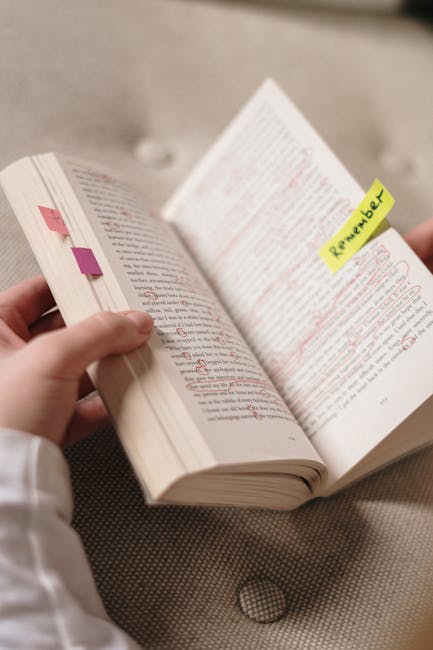
Classic revision strategies – highlighting notes, passive re-reading, or cramming last-minute – have been the bedrock of exam prep for decades. But research consistently shows that these are woefully ineffective at building real understanding or long-term memory. In a world where exam specifications change rapidly and syllabuses are vast, students risk burning out while still forgetting what matters most.
This is where modern AI-powered revision tools, like Brain Glue, offer something different: smart, adaptive practice based on spaced repetition, instant feedback, and truly personalised learning journeys.
The Science: What Actually Works for Memory?
- Spaced Practice: Breaking your revision into regular intervals over time. This strengthens neural pathways for better recall in exams.
- Interleaving: Mixing up topics and question types – not just sticking to one thing at a time. This trains your brain to spot connections and apply knowledge flexibly.
- Low-Stakes Quizzing: Testing yourself regularly, without pressure, is proven to boost confidence and uncover gaps in knowledge early.
But most students struggle to do these things alone. Keeping track of what to revisit, when to revisit it, and how to actually challenge yourself can feel overwhelming, especially alongside the pressure of coursework and life outside the classroom.
How AI Is Changing the Game in 2025
Let's look at a few ways artificial intelligence is powering up GCSE/A Level revision – and why it matters.
- Personalised Question Generation: AI analyses what you've already mastered versus what you've missed, then generates targeted questions. You get the right topics and the right level of difficulty – every session.
- Feedback That Matters: Instead of waiting for a teacher to mark tests, AI can offer instant feedback on your answers, complete with explanations and tips for improvement. This quick turnaround is gold for long-term retention.
- Smart Topic Recommendations: Not sure what to study next? AI learns from your responses and nudges you towards areas you're struggling with (or at risk of forgetting), ensuring your time is focused where it counts.
- Specification Alignment: For British students, revising content that matches your current exam board is critical. AI is now smart enough to adapt quizzes to your specific syllabus and year group.

Practical AI Tools & Features for GCSE & A Level Learners
It's easy to get swept up in the technical jargon of AI, but our approach is grounded: what matters is whether a tool actually makes revision easier, more effective, and more engaging. Here's how AI-powered learning apps have made a tangible difference for UK students preparing for exams:
- Instant, Written Feedback: Enter your answer, get detailed feedback on what went well (and where you slipped up) within seconds.
- Spec-Aligned Quizzing: Rather than generic knowledge checks, questions are crafted to directly reflect current GCSE/A Level specifications, so students never waste time on irrelevant content.
- Data-Driven Insights: Track strengths, weaknesses, and common error patterns, then use data to plan out your revision path intelligently – no guesswork required.
- Motivational Nudge System: If you've gone days without practising, AI can remind you (with a light touch!) to keep the habit going.
At Brain Glue, we focus on these principles to make revision not just "techy" but fundamentally brain-friendly, helping lock knowledge into long-term memory using proven cognitive science techniques.
Is AI a Replacement for Teachers or Tutors?
Absolutely not. In fact, the best AI tools support and empower both students and teachers. While artificial intelligence can surface insights, deliver instant feedback, and generate questions, it can't replace the mentorship, guidance, or broader encouragement a great educator provides. The magic happens when AI frees up time for teachers to focus on high-value teaching, rather than repetitive form-marking or manual quiz creation.
Research Insights: What Do We Know So Far?
The evidence on AI in education is growing fast. Studies point to a few core findings that are highly relevant for UK students tackling GCSEs and A Levels:
- Personalised practice is more efficient: Adaptive AI quizzes help students focus their effort, cutting wasted hours and reducing frustration from repeated mistakes.
- Low-stakes quizzing leads to higher exam retention: Making frequent, small mistakes in app-based quizzes is linked to better memory than passively reading or just highlighting notes.
- Students are more motivated: Regular, rewarding feedback encourages consistency and reduces procrastination.
Of course, as with all new technologies, the key is thoughtful use. Over-reliance on automated tools, or ignoring broader study skills, can backfire. The best revision plans combine AI with old-fashioned discipline, structured schedules, and time for rest and reflection.
Tips for Making the Most of AI in Your Revision (2025 Edition)
Whether you're a curious student, a teacher planning lessons, or a parent supporting your child, here's our blunt advice for building an AI-powered study routine that actually delivers:
- Don't Ditch the Basics: Use AI as a supplement – not a substitute – for structured lesson plans, human feedback, and time spent with actual textbooks.
- Focus on Active Recall: Aim to answer (not just read) as many spec-aligned questions as possible, regularly reviewing those you struggle with.
- Keep It Regular: A little daily, spaced out over weeks, always beats cramming right before exams, especially when AI reminds you what to revisit.
- Embrace Your Mistakes: When AI tells you you're wrong, dig into why. This slightly uncomfortable process is where real learning happens!
- Review Your Data: Check frequently which topics the tool says you're weakest in, and make a conscious effort to address those areas.
How Parents & Teachers Can Support AI-Driven Revision
- For Parents: Encourage daily, bite-sized sessions on a trusted AI-powered app. Ask to see your child's progress dashboard occasionally and celebrate improvements, even small ones.
- For Teachers: Use insights from students' practice data to identify class-wide problem areas and tailor your teaching, rather than teaching blind. Remember, AI can reduce your marking load!
- For Schools: Integrate AI-driven revision apps into homework schedules or after-school clubs, especially for high-stress exam years.

Looking Ahead: The Future of AI-Powered Revision
The world of revision is evolving faster than ever. AI is being embedded in every step of the study journey, from planning revision timetables to generating model answers, and (soon) providing voice-based or even video feedback. We expect the next few years to bring even more:
- Deeper content personalisation, tailored directly to individual student goals and gaps.
- More engaging, gamified revision experiences, helping to reduce revision fatigue.
- Tighter integration with school management systems, so learning can flow seamlessly between homework, classwork, and self-study.
The challenge, as always, is using these tools wisely – not as a shortcut, but as a precision instrument for understanding your strengths and addressing weaknesses, on your actual exam board and year group.
Summary: AI in 2025 Means Better, Smarter Revision
We know that memory isn't built through last-minute cramming, nor is exam success down to luck. Effective, modern revision blends the best of science with the cutting edge of technology, keeping students curious, motivated, and well-prepared. The question is no longer, "Should I use AI for my revision?" but how to use it wisely. Start small. Stay curious. Don't fear your mistakes – and let technology help you turn them into your biggest advantage.
If you're ready to take a smarter, more scientific approach to your revision, we invite you to see what we're building at Brain Glue. Our approach is focused on what genuinely works – not what sounds flashy. Happy revising!